

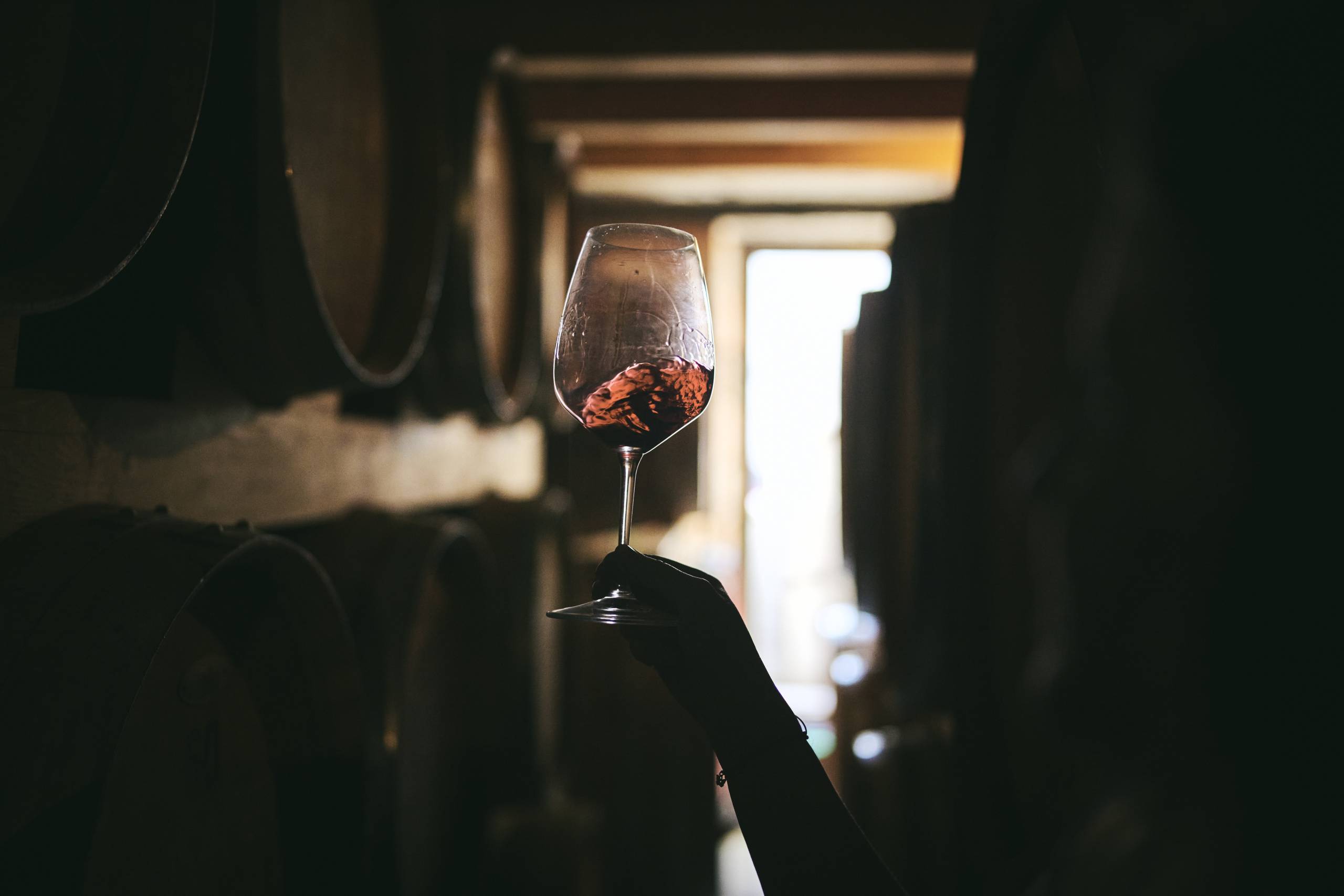
Follow the journey of Istrian wine — from grape to glass — and discover how history helped shape the wines you taste today. Learn how Austria brought in science, Italy brought in taxes, and Yugoslavia brought in… a whole lot of bulk wine. And through it all, the vines kept growing, and the passion for winemaking never faded.
Full Story: A Grape’s Journey Through History
Wine in Istria isn’t just something you drink — it’s something you live. At the Istria Wine Museum, you’ll get a front-row seat to how a simple grape becomes a bottle of golden Malvasia or bold Teran. From harvest baskets to barrels, from cellar to cork, you’ll follow every step of the winemaking process. But what really brings it to life is the history — because Istrian wine has seen empires rise and fall, and still flows stronger than ever.
Roman Times: Amphorae, Villas and the First Exports
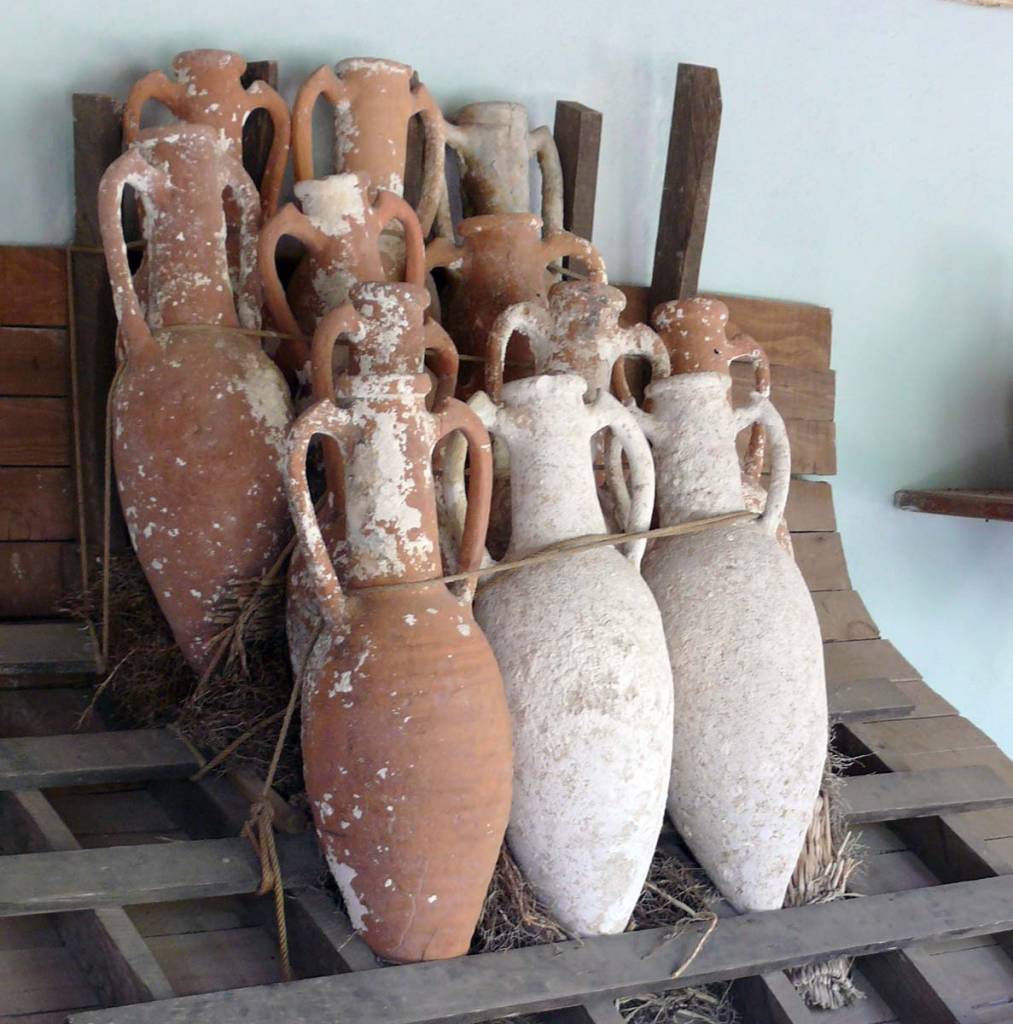
Long before Austria, Italy or Yugoslavia, the ancient Romans were already raising toasts in Istria. As early as the 1st century, Roman settlers recognized the region’s perfect conditions for grape growing — sunny hills, red soil (terra rossa), and a sea breeze to keep the vines healthy. Roman villas, especially around Pula and Poreč, often included wine cellars (cella vinaria) and amphorae used to store and export Istrian wine across the Empire.
In fact, Istrian wines were shipped to Aquileia and even as far as Rome. Archaeological findings — like stone wine presses and broken amphorae — show that wine was deeply rooted in Istrian daily life over 2,000 years ago.

Austro-Hungarian Era: Science and Recovery
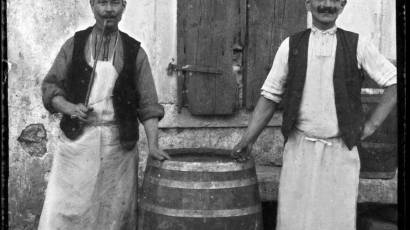
In the 19th century, under Austro-Hungarian rule, Istrian wine got a much-needed revival. The phylloxera epidemic had devastated vineyards, but in 1874, a wine and fruit-growing institute was founded in Poreč to bring modern science to the rescue. Just two years later, Istria’s first official wine cellar opened its doors.
Experts introduced grafting techniques and set new quality standards that helped save local winemaking. This was the beginning of Istria’s transformation into a serious wine-producing region once again
Italian Rule: Wine Under Pressure
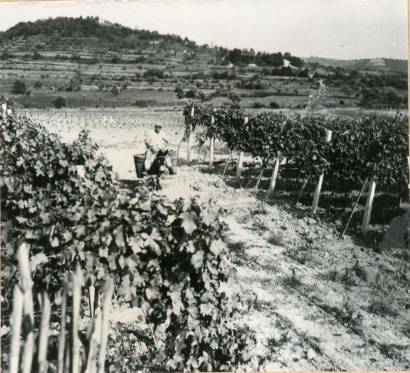
When Italy took control after World War I, things became more complicated for local winemakers. Heavy taxes, strict controls, and forced Italianization made it difficult to survive — especially for small family producers. Events like the Festa dell’Uva promoted wine as national pride, but behind the scenes, many farmers were barely making it.
Some stopped producing, others sold wine illegally, and many emigrated. Despite everything, local families held on to their land, their vines, and their knowledge.
Yugoslav Period: Big Tanks, Little Identity
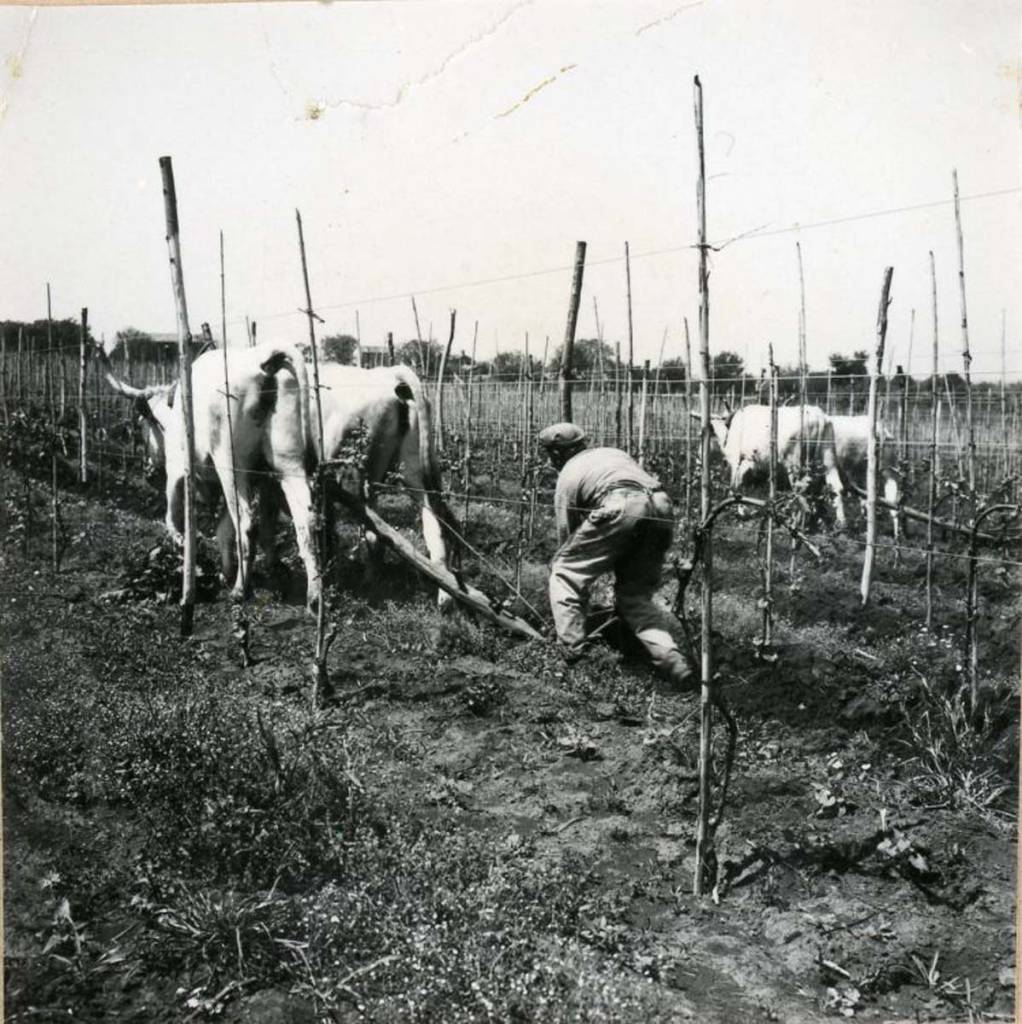
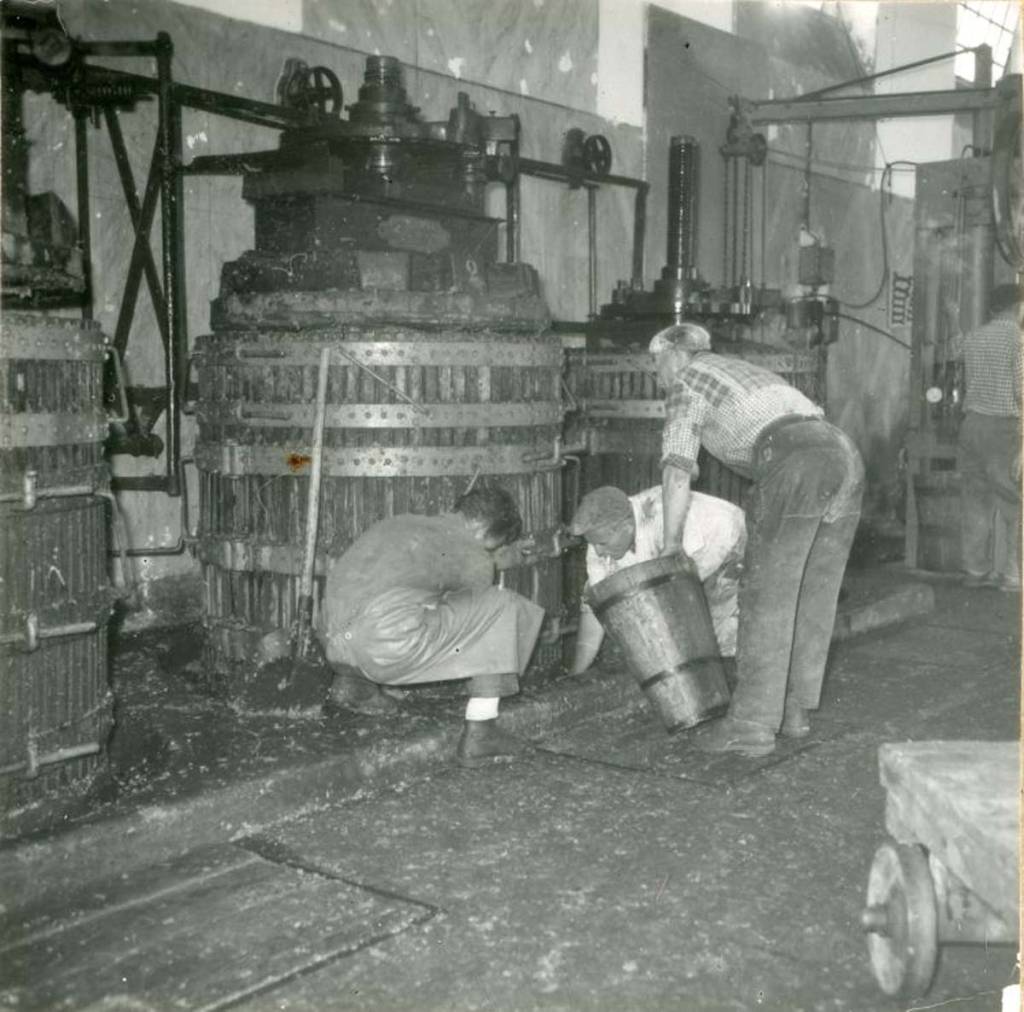
After World War II, Istria became part of socialist Yugoslavia, and winemaking entered the era of quantity over quality. State cooperatives took over production, collecting grapes in massive amounts and focusing on cheap bulk wine, mostly exported to Germany and other countries.
Traditional family winemaking was pushed aside — but not forgotten. When Croatia became independent in the 1990s, a new generation of winemakers brought Istrian wine back to life with fresh passion, smaller estates, and a strong focus on quality.
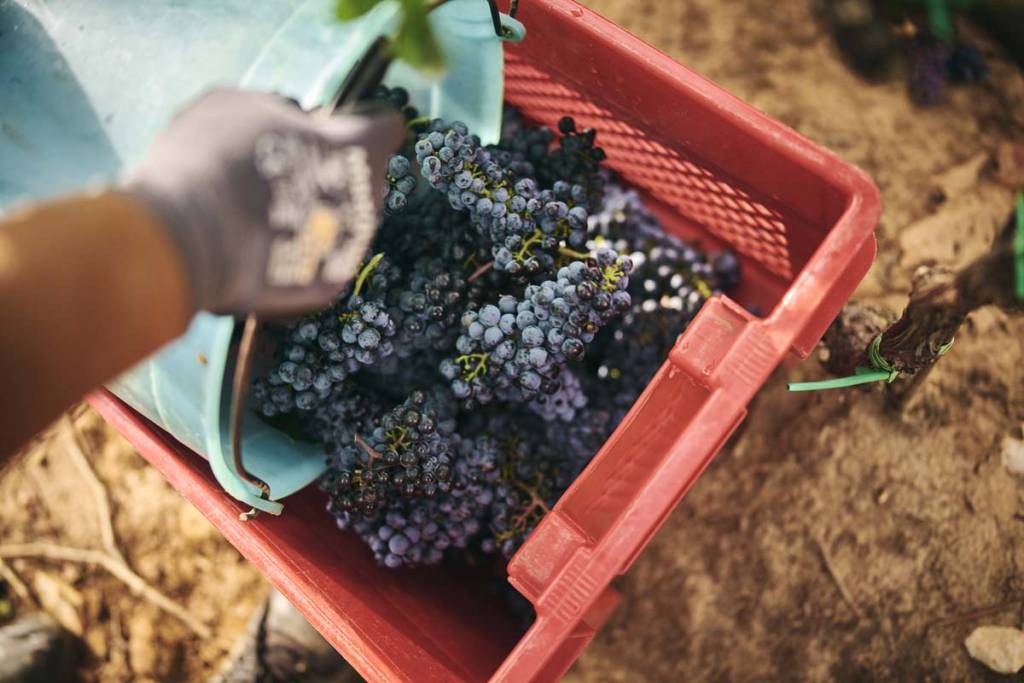
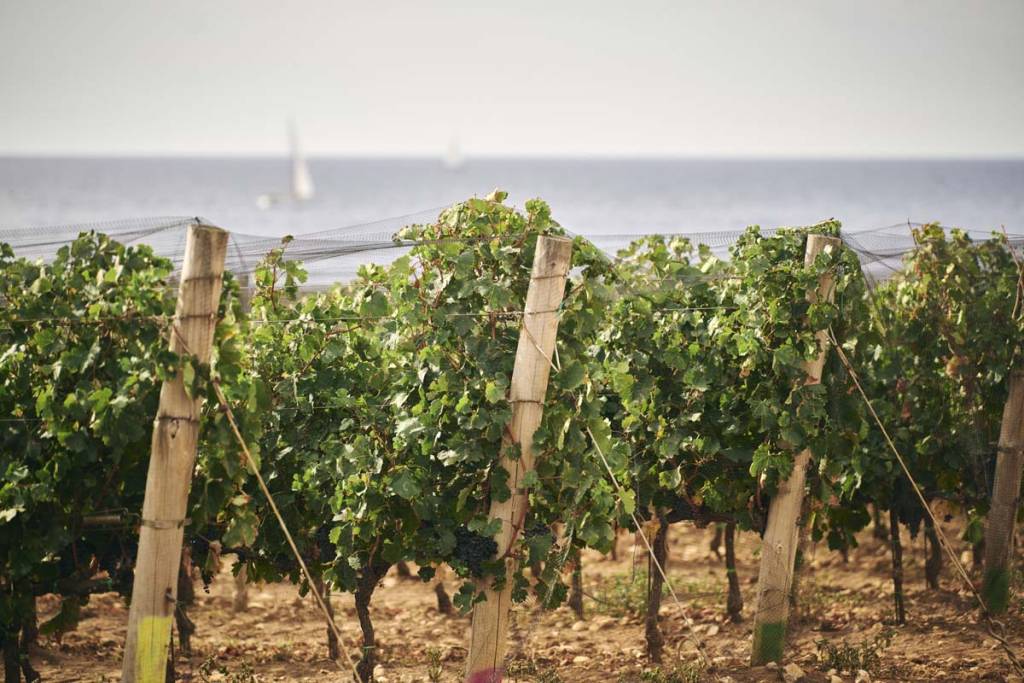
Today, every bottle tells that story.
From ancient amphorae to boutique barrels, Istrian wine has survived centuries of change. And now, when you raise a glass of Malvasia or Teran, you’re not just tasting wine — you’re tasting history.